
The cannabis industry has moved far beyond its early experimental stage. By 2026, it has become a highly competitive global market shaped by legalization trends, medical adoption, wellness culture, and premium lifestyle branding. As more regions expand regulated sales, including parts of North America and Europe, businesses face a rapidly growing challenge: standing out in a saturated marketplace.
In today’s environment, dispensaries, CBD companies, and cannabis startups are no longer competing only on product quality. They are competing on perception, identity, and emotional connection. This is where cannabis brand design becomes a critical business asset rather than just a visual exercise.
The rise of dispensary branding and weed branding shows a clear shift in consumer behavior. Buyers now expect professionalism, trust, and consistency. They want brands that feel safe, transparent, and aligned with their lifestyle—whether they are medical patients or recreational users.
Competition in cannabis markets has intensified significantly. New brands launch every month, especially in mature regions like California, Canada, and parts of Europe. In such a crowded space, cannabis branding is no longer optional; it is a survival tool. Without strong visual identity and strategic positioning, even high-quality products struggle to gain traction.
Another important factor is trust. Cannabis consumers are highly sensitive to safety, compliance, and authenticity. They want to know where products come from, how they are tested, and whether brands follow regulations. This makes branding a key driver of credibility. Strong marijuana branding communicates transparency, professionalism, and reliability.
Finally, compliance plays a central role. Unlike traditional industries, cannabis businesses must design within strict legal frameworks. Packaging, messaging, and advertising are heavily regulated. This means cannabis brand development must balance creativity with legal responsibility.
In 2026, successful cannabis companies are not just selling products—they are building trusted identities. The brands that win are those that combine strategy, design, and compliance into a seamless customer experience.
If you want to improve your online visibility, investing in cannabis SEO services can help your brand rank higher and attract targeted traffic.
What Is Cannabis Brand Design?
Cannabis brand design refers to the complete process of creating a visual and emotional identity for a cannabis-related business. It includes everything from logos and packaging to messaging and overall customer perception.
At its core, cannabis brand design is about shaping how people feel about your brand before they even try your product.
It is important to distinguish between three closely related concepts:
- Branding: The overall identity and perception of your business
- Marketing: How you promote and distribute your brand message
- Packaging: The physical presentation of your product
While marketing drives attention and packaging delivers product presentation, branding defines the long-term emotional connection.
To increase online sales and visibility, many brands invest in a Cannabis E-Commerce SEO Service tailored specifically for cannabis products.
Core Components of Cannabis Brand Design
A strong cannabis brand identity is built on several essential elements:
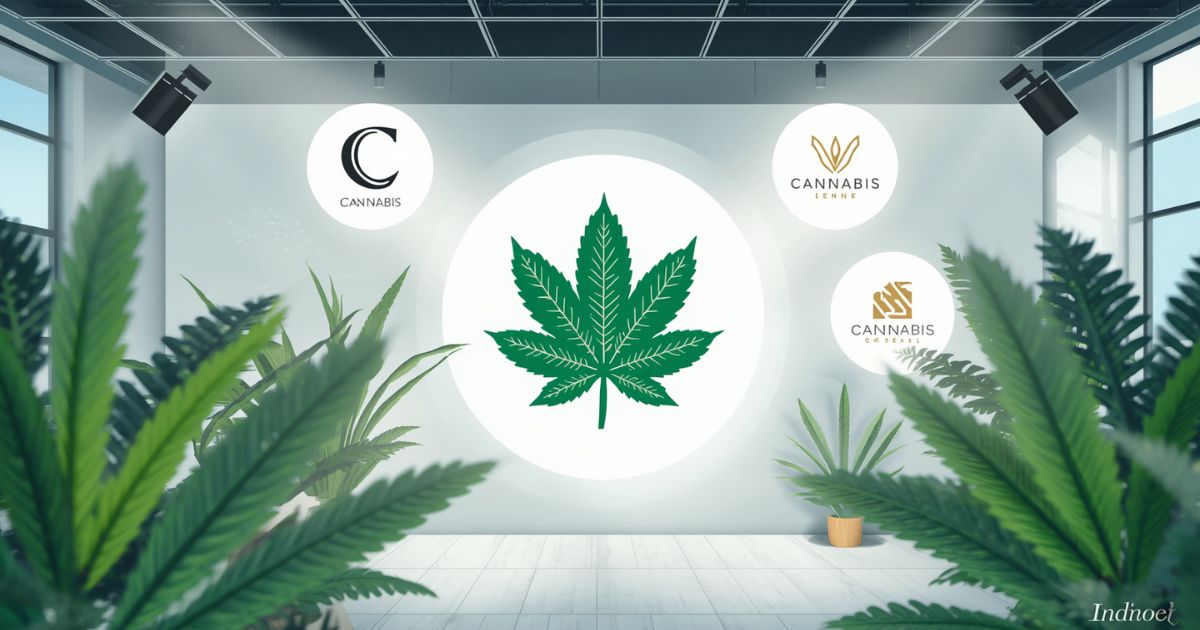
1. Logo Design
The cornerstone of your identity is your logo. In weed graphic design, logos often use minimalist icons, abstract cannabis references, or modern typography to ensure scalability and recognition.
2. Visual Identity (Colors & Typography)
Color psychology plays a major role in cannabis designs. Green is associated with nature and wellness, black with luxury, and bright tones with recreational energy. Typography must remain readable, especially on small packaging.
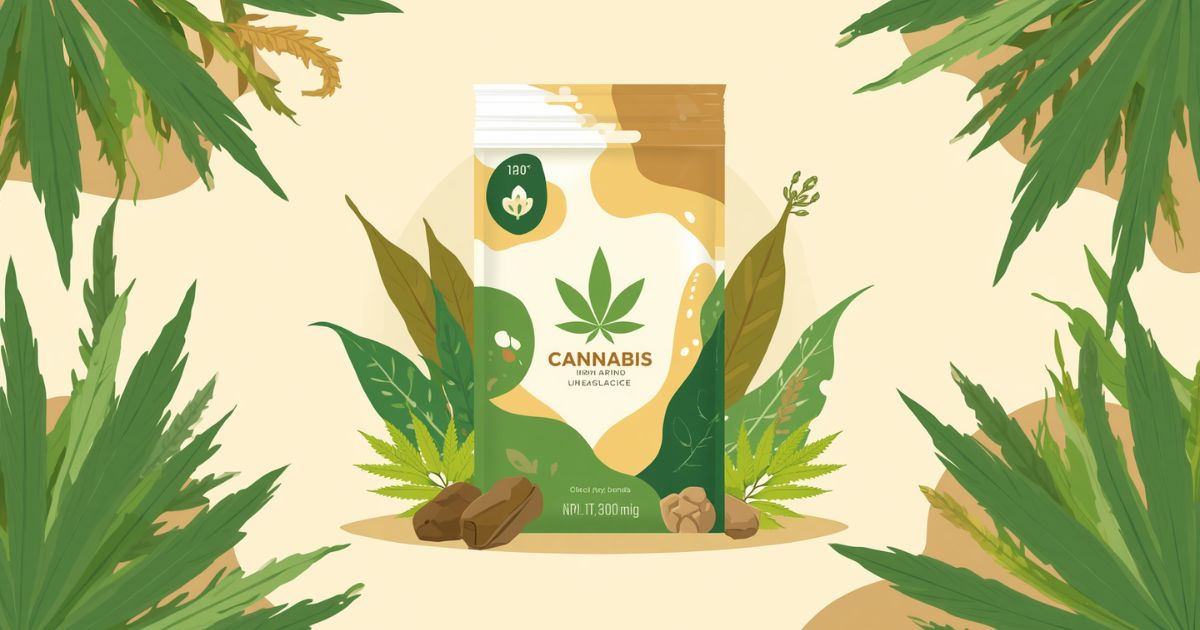
3. Packaging Design
Cannabis packaging design is one of the most important branding elements. It must balance creativity with compliance while still standing out on shelves.
4. Brand Voice & Messaging
Tone of voice defines how a brand communicates. Some brands focus on medical professionalism, while others adopt a relaxed, lifestyle-driven tone typical of weed branding.
Together, these elements form a unified identity that shapes consumer trust and recognition.
The Cannabis Industry Branding Challenges
Despite its growth, cannabis branding comes with unique challenges that make it different from almost every other industry.
Strict Legal Regulations
Cannabis is heavily regulated in most markets. Rules vary widely by region, especially in places like the United States, where state laws differ. For example, California cannabis branding must comply with strict packaging and advertising guidelines.
Advertising Restrictions
Traditional advertising channels like Google Ads, Meta platforms, and TV often restrict cannabis promotions. This limits visibility and forces brands to rely heavily on organic branding and cannabis brand development strategies.
Age-Sensitive Marketing
Cannabis products are strictly age-restricted. Branding must avoid appealing to minors while still engaging adult consumers. This balance is difficult to achieve in marijuana branding, especially for recreational products.
Overcrowded Marketplace
With thousands of dispensaries and CBD companies entering the market, differentiation is a major challenge. Many brands offer similar products, making dispensary branding a key competitive advantage.
Consumer Trust Issues
Many consumers still associate cannabis with stigma or uncertainty. Brands must work harder to prove safety, quality, and transparency. Strong branding helps overcome these perceptions.
Key Elements of a Strong Cannabis Brand Identity
1 Logo Design
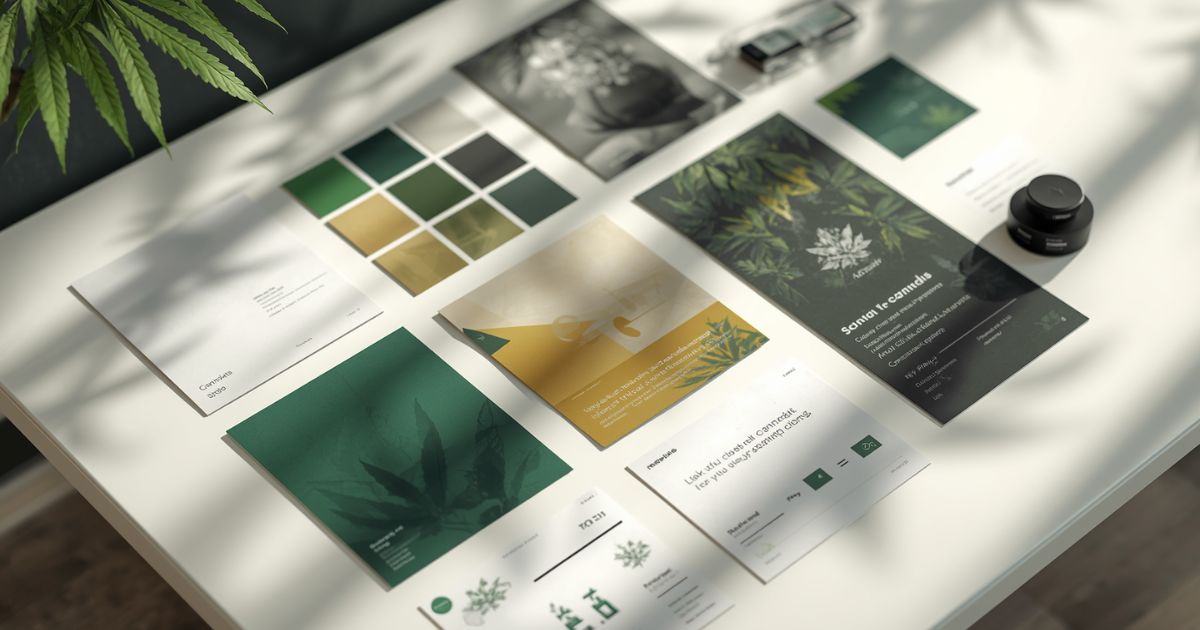
A cannabis logo must be simple, memorable, and adaptable.
- Minimal vs Bold Logos: Minimal designs are often preferred for premium CBD brands, while bold logos work well for recreational weed branding.
- Symbolism: Common elements include cannabis leaves, abstract smoke patterns, or geometric interpretations.
- Scalability: Logos must look good on packaging, websites, and small labels.
Good logo design is a foundation of effective cannabis brand design and influences long-term recognition.
2 Color Psychology in Cannabis Branding
Color choices directly influence customer perception.
- Green: Natural, organic, wellness-focused
- Black: Premium, luxury, high-end cannabis products
- Bright Colors: Energetic, youthful, recreational appeal
Successful cannabis branding uses color strategically to communicate product positioning instantly.
3 Typography Choices
Typography supports brand tone and readability.
- Sans-serif fonts are common in modern, premium cannabis designs
- Handwritten fonts work well for artisanal or craft-style weed graphic design
- Clear typography is essential for compliance labels and small packaging areas
4 Packaging Design
Packaging is one of the most important parts of cannabis packaging design.
Key considerations include:
- Child-resistant packaging requirements
- Mandatory compliance labeling
- Shelf visibility and retail competition
- Eco-friendly materials for sustainability
Modern creative weed packaging focuses on balancing aesthetics with legal requirements while maximizing shelf impact.
Cannabis Brand Positioning Strategy
Brand positioning defines how your product fits into the market.
Target Audience Segments:
- Medical cannabis users seeking relief and consistency
- Recreational users looking for lifestyle experiences
- CBD wellness customers focused on health and relaxation
Positioning Approaches:
- Luxury premium branding
- Affordable mass-market branding
- Medical-grade professional branding
Strong cannabis brand development requires clear positioning that aligns with customer expectations.
Brand personality also matters. A brand may feel scientific, playful, luxurious, or natural depending on its strategy.
Cannabis Packaging Design Trends for 2026
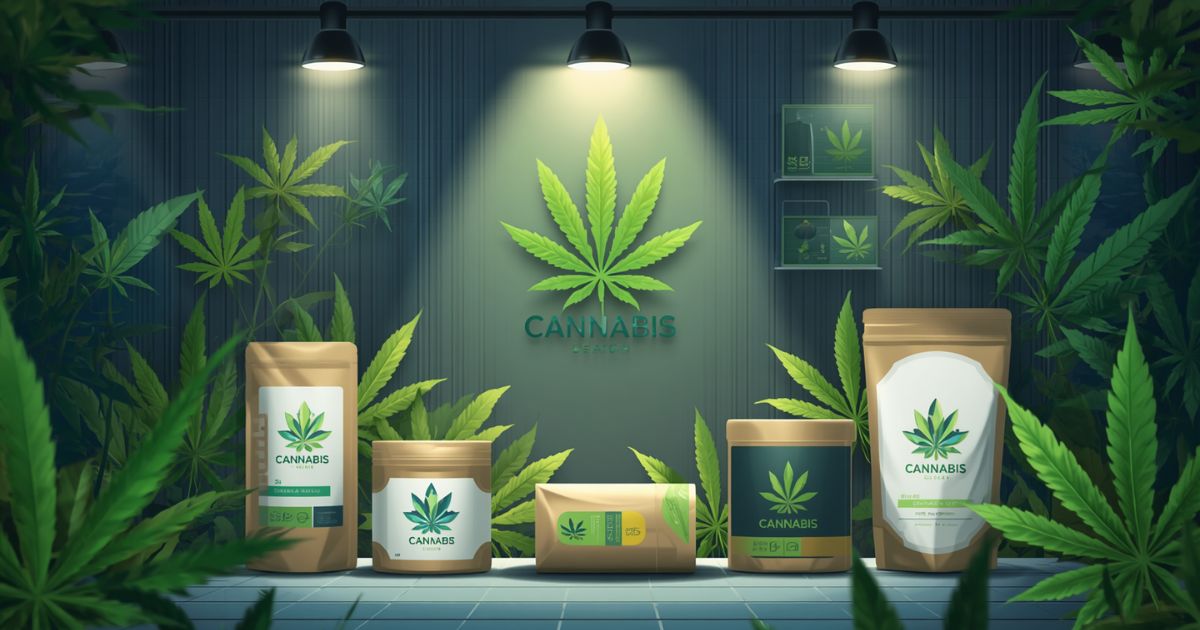
The future of packaging is evolving rapidly.
Sustainable Packaging Materials
Eco-friendly materials are becoming standard across cannabis packaging design.
Minimalist Branding Trend
Clean, simple designs are dominating modern weed branding strategies.
Premium Medical-Style Packaging
Many brands are adopting pharmaceutical-style packaging to increase trust.
Bold Artistic Illustrations
Some brands use expressive artwork to stand out in retail environments.
QR Codes for Transparency
QR codes now link to lab results, product origins, and educational content, improving transparency in cannabis branding.
Compliance and Legal Design Requirements
Compliance is non-negotiable in cannabis industries.
Key requirements include:
- Mandatory warning labels
- THC/CBD percentage visibility
- Child-resistant packaging rules
- Regional differences in labeling laws
Brands involved in marijuana branding must ensure every design element aligns with legal frameworks. Non-compliance can result in fines or product recalls.
How to Build a Cannabis Brand Step-by-Step
Step 1: Market Research
Understand competitors, audience needs, and positioning gaps.
Step 2: Define Brand Identity
Establish mission, values, tone, and visual direction.
Step 3: Create Visual Guidelines
Develop logo, colors, typography, and style rules.
Step 4: Design Packaging & Logo
Build compliant, attractive cannabis packaging design.
Step 5: Build Online Presence
Develop a website optimized for cannabis branding SEO strategies.
Step 6: Maintain Consistency
Ensure all platforms reflect the same identity across marketing channels.
Common Cannabis Branding Mistakes to Avoid
Many brands fail due to avoidable errors:
- Overcomplicated design systems
- Ignoring compliance requirements
- Copying competitor identities
- Poor readability on packaging
- Inconsistent branding across channels
Avoiding these mistakes is essential for strong cannabis brand development.
Cannabis Branding for Digital Marketing
Digital presence is critical for growth.
Website Branding
A strong website reflects trust and professionalism.
SEO-Driven Content
Organic search is essential due to advertising restrictions in weed branding industries.
Social Media Restrictions
Platforms like Meta and Google restrict cannabis ads, requiring careful organic strategy.
Email Marketing
One of the most dependable avenues for dispensaries is still email.
Influencer Collaborations
Influencers help build trust and awareness in dispensary branding campaigns.
Case Study Ideas (Optional Section)
Successful cannabis branding transformations often include:
- Premium CBD brand repositioning with luxury identity
- Dispensary rebranding that increased foot traffic and sales
- Packaging redesign improving shelf visibility and customer engagement
These examples demonstrate how cannabis brand design directly impacts business performance.
Future of Cannabis Brand Design (2026 and Beyond)

The future of branding is highly innovative.
AI-Driven Packaging Design
Artificial intelligence will help create optimized cannabis designs faster and more efficiently.
Hyper-Personalized Branding
Brands will tailor messaging based on consumer behavior and preferences.
Blockchain Transparency
Blockchain will verify product origin and lab testing data.
Interactive Packaging
Smart packaging will connect consumers with digital experiences and education.
Conclusion
Cannabis brand design is no longer just about aesthetics—it is a strategic business necessity. In a highly competitive and regulated industry, strong branding determines whether a company thrives or gets lost in the crowd.
Successful brands understand that cannabis branding, dispensary branding, and cannabis brand development must work together to build trust, clarity, and recognition.
In 2026 and beyond, the most successful cannabis companies will be those that combine creativity with compliance, and storytelling with strategy. Whether through creative weed packaging, strong visual identity, or consistent messaging, brand design remains the foundation of long-term success.
If done correctly, cannabis branding does more than sell products—it builds lasting trust and customer loyalty in an evolving global market.
FAQs:
1. What is cannabis brand design?
Cannabis brand design is the process of creating a complete visual and emotional identity for a cannabis business. It includes logo design, cannabis packaging design, typography, color systems, messaging, and overall brand personality. The objective is to increase acknowledgment, trust, and consistency across all customer touchpoints.
2. Why is cannabis branding important in 2026?
In 2026, the cannabis market is highly competitive and heavily regulated. Strong cannabis branding helps businesses stand out, build trust, and communicate compliance. It also plays a key role in attracting customers in a market where advertising options are limited.
3. What makes good cannabis packaging design?
Good cannabis packaging design balances creativity with compliance. It should be visually appealing, easy to read, legally compliant, and reflective of the brand identity. Modern trends also include eco-friendly materials and QR codes for product transparency.
4. How do you create a strong cannabis brand identity?
A strong cannabis brand identity is built through:
- A memorable logo
- Consistent color palette and typography
- Clear brand messaging
- Professional weed graphic design
- Strategic positioning in the market
Consistency across all channels is essential for strong cannabis brand development.
5. What are the biggest challenges in cannabis branding?
The main challenges include:
- Strict legal regulations
- Advertising restrictions on major platforms
- Age-sensitive marketing rules
- Overcrowded dispensary market
- Building trust in a regulated industry
These challenges make dispensary branding more complex than traditional industries.