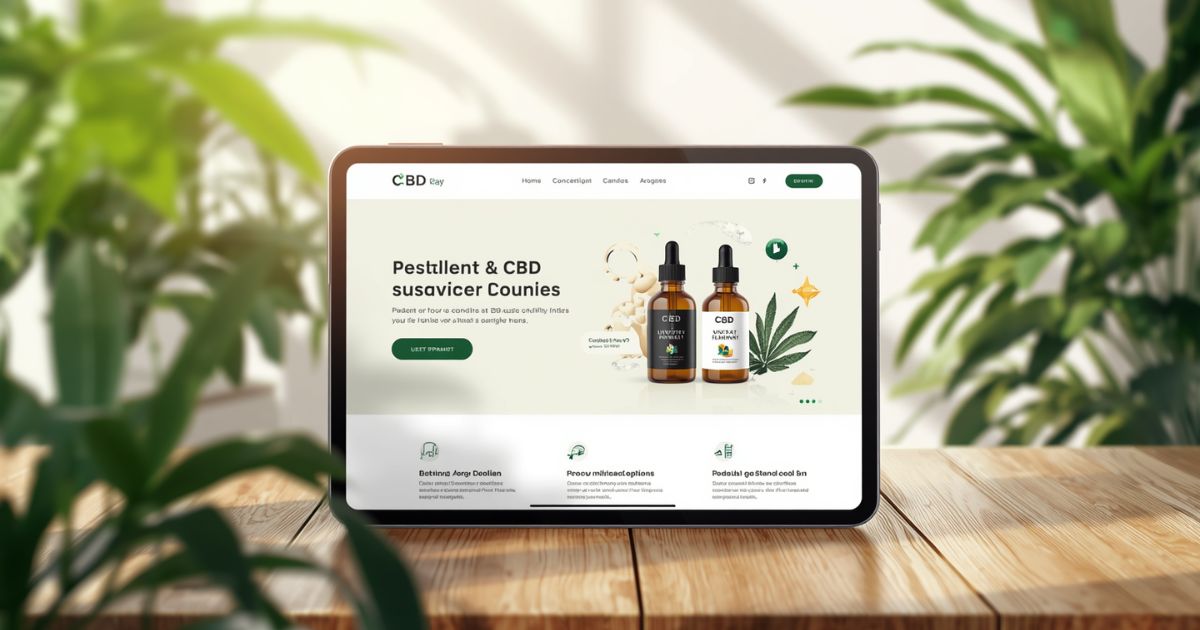


The cannabis industry has grown rapidly over the past few years, creating new opportunities for dispensaries, CBD brands, hemp companies, cannabis consultants, and delivery services. As competition increases, having a professional website is no longer optional—it’s one of the most important investments a cannabis business can make. Whether you need a dispensary website builder, a solution for cannabis website development, or a platform that supports online ordering and educational content, choosing the right website platform can significantly impact your business’s success.
Unlike businesses in many other industries, cannabis companies face unique challenges. Advertising restrictions, changing state regulations, age verification requirements, limited payment processing options, and compliance concerns make building and managing a cannabis website more complex. That’s why a thoughtful cannabis web design strategy is essential. The right platform should not only showcase your products and services but also help you stay compliant while delivering a seamless customer experience.
Search engine optimization (SEO) is equally important. A well-optimized website helps potential customers discover your business through Google, whether they’re searching for a nearby dispensary, CBD products, or educational cannabis content. Strong cannabis web design & development combined with effective SEO can increase organic traffic, improve local visibility, and generate more qualified leads.
In this guide, you’ll learn which website platforms are best for cannabis businesses, how to evaluate each option, and expert recommendations based on business size, goals, and budget. We’ll also cover compliance, ecommerce features, SEO capabilities, payment solutions, and the essential website features every cannabis business should have to thrive online.
If you’re launching a new cannabis business, partnering with a professional cannabis creative agency ensures your branding and website align with your long-term marketing goals.
Why Choosing the Right Website Platform Matters
Selecting the right platform is about much more than choosing an attractive design. The foundation of your website influences customer trust, search rankings, online sales, operational efficiency, and future scalability. If you’re wondering which website platforms are best for cannabis businesses, understanding these factors will help you make a smarter long-term decision.
Businesses looking to increase long-term website traffic should combine quality content with expert cannabis SEO services.
Build a Strong Brand Identity
Your website is often the first impression customers have of your business. A professionally designed website communicates credibility, professionalism, and quality. Investing in experienced cannabis web designers helps create a brand identity that reflects your company’s values while distinguishing you from competitors.
A thoughtful cannabis web design approach also ensures consistency across colors, typography, imagery, and messaging, helping customers remember your brand.
Increase Customer Trust
Cannabis consumers want accurate product information, transparent policies, and secure online experiences. A trustworthy website includes:
- Professional product pages
- Educational resources
- Secure checkout processes
- Verified customer reviews
- Clear contact information
- Privacy and compliance policies
Customers are far more likely to purchase from businesses that present themselves professionally online.
Support Online Ordering
Many dispensaries and CBD brands now offer online ordering for pickup or delivery where permitted by law. Your website platform should support:
- Product catalogs
- Real-time inventory
- Shopping carts
- Order notifications
- Pickup scheduling
- Delivery integration
The best dispensary website design makes ordering simple while maintaining compliance with local regulations.
Organize Large Product Catalogs
Cannabis businesses often manage hundreds of products, including flowers, edibles, concentrates, tinctures, accessories, and wellness products.
A good platform allows customers to filter products by:
- Category
- Potency
- Brand
- Price
- Effects
- Cannabinoid profile
- Availability
This improves user experience and increases conversion rates.
Improve Local SEO
Most cannabis purchases begin with a local search. A properly optimized website helps your business appear when customers search for nearby dispensaries or CBD stores.
An effective cannabis website management strategy includes:
- Optimized location pages
- Google Business Profile integration
- Local keywords
- Schema markup
- Customer reviews
- Fast-loading pages
These elements improve local search visibility and drive more qualified traffic.
Mobile Optimization
More than half of cannabis-related searches happen on smartphones. Your website must provide a seamless mobile experience with:
- Responsive layouts
- Fast loading speeds
- Easy navigation
- Mobile-friendly menus
- Click-to-call functionality
- Simple checkout
Mobile optimization also contributes to stronger Google rankings.
Regulatory Compliance
Cannabis regulations differ by state and country, making compliance an ongoing priority. The right platform should support:
- Age verification
- Legal disclaimers
- Restricted product visibility
- Privacy compliance
- Secure customer data handling
These features reduce legal risks while providing a better user experience.
Marketing Automation
Modern websites integrate with marketing tools that help businesses nurture customer relationships.
Useful features include:
- Email marketing
- SMS campaigns
- Customer segmentation
- Loyalty programs
- CRM integration
- Lead capture forms
Automation helps cannabis businesses increase repeat purchases while saving time.
Security Protection
Cannabis websites collect customer information and process online transactions, making cybersecurity essential.
Look for platforms offering:
- SSL certificates
- Malware protection
- Automatic updates
- Secure hosting
- Daily backups
- Two-factor authentication
Strong security protects both your business and your customers.
Long-Term Scalability
Your website should grow alongside your business. Whether you’re expanding product lines, opening new locations, or adding ecommerce functionality, your chosen platform should accommodate future growth without requiring a complete rebuild.
What Makes a Good Cannabis Website Platform?

Choosing the right platform requires evaluating much more than visual appearance. A successful platform balances compliance, SEO, ecommerce functionality, performance, and long-term flexibility.
Compliance Features
Compliance should be one of your first considerations when selecting a platform.
Age Verification
Many jurisdictions require cannabis websites to restrict access based on age. A quality platform should support customizable age verification pop-ups or gates before visitors access product information.
State Regulations
Cannabis laws vary widely between states. Your platform should make it easy to update content, product availability, and legal notices as regulations evolve.
Product Restrictions
Some products may only be sold in certain regions or require specific disclaimers. Flexible product management tools help ensure restricted items are displayed only where legally permitted.
Legal Disclaimers
Every cannabis website should clearly display appropriate disclaimers regarding medical claims, product availability, age requirements, and state-specific regulations. These notices should be easy to update as legal requirements change.
SEO Capabilities
Without strong SEO, even the best-looking website may struggle to attract visitors. A platform should provide the technical tools needed to improve visibility in search engines.
Custom URLs
Clean, descriptive URLs improve both user experience and search engine understanding. Your platform should allow custom URL structures for pages, blog posts, and products.
Meta Titles and Descriptions
Optimizing title tags and meta descriptions helps improve click-through rates in search results. The platform should allow unique metadata for every page.
Schema Markup
Structured data helps search engines better understand your content. Schema markup can enhance search listings with rich results, making your pages more attractive to potential customers.
XML Sitemap
Automatically generated XML sitemaps make it easier for search engines to discover and index new pages, products, and blog posts.
Blog Support
Educational content is one of the most effective ways to build authority and attract organic traffic. A strong blogging system allows businesses to publish articles about cannabis education, product guides, regulations, and wellness topics, supporting long-term SEO growth.
Ecommerce Features
Whether you sell CBD products online or provide menus for dispensary pickup, ecommerce functionality is essential.
Inventory Management
Accurate inventory tracking prevents overselling and keeps product availability up to date across your website.
Product Filtering
Customers should be able to browse products by category, price, brand, cannabinoid content, effects, or popularity. Advanced filtering improves the shopping experience and helps users find products faster.
Delivery Integration
For businesses offering local delivery, integration with delivery management systems streamlines order fulfillment and improves customer convenience.
Pickup Scheduling
Many dispensaries provide in-store pickup. Built-in scheduling tools allow customers to select convenient pickup times while helping staff manage order flow efficiently.
Payment Integrations
One of the biggest challenges in cannabis website development is payment processing. Because cannabis remains heavily regulated in many jurisdictions, traditional payment options may be limited.
Credit Cards
Many mainstream credit card processors do not support THC-related transactions. Businesses must verify whether their processor permits cannabis-related sales before integrating payment options.
High-Risk Payment Gateways
Specialized high-risk payment providers often support licensed cannabis businesses. These gateways typically charge higher processing fees but offer industry-specific compliance and fraud protection.
ACH Payments
ACH bank transfers are becoming an increasingly popular option for cannabis ecommerce because they provide secure bank-to-bank transactions while avoiding some card processing restrictions.
Cryptocurrency
Some cannabis businesses accept cryptocurrencies as an alternative payment method. While adoption varies by market, crypto can provide another payment option for customers who prefer digital assets.
Alternative Payment Providers
Cashless ATM solutions, digital wallets, and other compliant payment technologies continue to evolve within the cannabis industry. Choosing a flexible platform makes it easier to integrate new payment options as regulations and technology change.
Speed & Security
Website performance directly affects user experience, conversions, and search rankings.
SSL Certificates
SSL encryption protects customer information and builds trust by securing data exchanged between users and your website.
Content Delivery Network (CDN)
A CDN distributes website content across multiple servers, reducing loading times for visitors in different geographic locations and improving overall site performance.
Security Updates
Regular software and plugin updates help protect against vulnerabilities. Platforms with automatic updates reduce maintenance effort while improving security.
Reliable Hosting
Quality hosting is the backbone of dependable cannabis website management. Fast, secure hosting minimizes downtime, improves page speed, and supports business growth as traffic increases.
Automated Backups
Regular backups ensure your website can be restored quickly in the event of technical issues, cyberattacks, or accidental data loss. Automatic daily backups provide an added layer of protection for your business and customers.
Expert Recommendations: Best Website Platforms for Cannabis Businesses

Choosing the right platform depends on your business model, technical expertise, budget, and long-term growth plans. Some platforms excel in SEO, while others prioritize ease of use or enterprise-level scalability. Below are expert recommendations to help you decide which website platforms are best for cannabis businesses based on real-world use cases.
WordPress + WooCommerce
Best for: Dispensaries, CBD brands, hemp companies, cannabis blogs, and businesses focused on SEO and content marketing.
WordPress paired with WooCommerce is widely regarded as one of the most flexible solutions for cannabis website development. It gives businesses complete ownership of their website and offers thousands of plugins and customization options. If you’re looking for a platform that supports advanced SEO, ecommerce, and content marketing, this combination is difficult to beat.
Advantages
- Complete ownership of your website and data
- Highly customizable design and functionality
- Thousands of themes and plugins
- Excellent blogging capabilities
- Strong community support
- Easily scalable as your business grows
- Integrates with many third-party tools
Many experienced cannabis web designers prefer WordPress because it provides complete creative freedom without locking businesses into proprietary systems.
Disadvantages
- Requires regular maintenance and updates
- Hosting must be managed separately
- Security depends on proper configuration
- Beginners may experience a learning curve
SEO
WordPress is considered one of the best platforms for SEO. It supports:
- Custom URLs
- Optimized meta titles and descriptions
- Schema markup
- XML sitemaps
- Internal linking
- Image optimization
- Fast-loading themes
This makes it ideal for businesses investing in cannabis website management and long-term organic growth.
Useful Plugins
Popular plugin categories include:
- SEO optimization
- Age verification
- Security protection
- Backup management
- Performance caching
- Ecommerce enhancements
- Contact forms
- Analytics integration
Pricing
Typical costs include:
- Domain registration
- Web hosting
- Premium theme (optional)
- Premium plugins (optional)
- Development or maintenance services
Overall, WordPress offers one of the best values for growing cannabis businesses.
Ideal Users
- Cannabis dispensaries
- CBD ecommerce stores
- Cannabis consultants
- Hemp brands
- Cannabis educational websites
- Businesses seeking advanced SEO
BigCommerce
Best for: Medium to large ecommerce businesses selling CBD or hemp products where permitted.
BigCommerce is a cloud-based ecommerce platform designed to support growing online stores. It includes numerous built-in ecommerce features, reducing the need for third-party plugins.
Key Features
- Product management
- Inventory tracking
- Multi-channel selling
- Customer groups
- Advanced reporting
- Secure checkout
- Mobile optimization
SEO
BigCommerce includes:
- Custom URLs
- Automatic sitemaps
- Meta data editing
- Responsive themes
- Fast page loading
These features help improve search engine visibility.
Integrations
The platform connects with:
- Email marketing software
- CRM systems
- Inventory management
- Shipping providers
- Analytics platforms
Pros
- Excellent ecommerce capabilities
- Reliable hosting
- High performance
- Strong security
- Built-in features reduce plugin dependency
Cons
- Monthly subscription fees
- Limited design flexibility compared to WordPress
- Some advanced customization requires developers
Pricing
BigCommerce offers multiple pricing tiers based on business size and annual sales volume.
Drupal
Best for: Large enterprises, multi-location operators, healthcare organizations, and businesses requiring complex workflows.
Drupal is an enterprise-grade content management system known for its exceptional flexibility and security.
Enterprise Capability
Drupal can manage:
- Large websites
- Multiple user roles
- Extensive product catalogs
- Multiple locations
- Complex content structures
Security
Drupal has an excellent security reputation, making it attractive for organizations handling sensitive customer information.
Customization
Nearly every aspect of the website can be customized through modules and custom development.
This makes Drupal suitable for advanced cannabis web development projects that require unique functionality.
Compliance
Drupal’s flexibility allows businesses to implement:
- Age verification
- State-specific content
- Custom permissions
- Legal disclaimers
- Accessibility improvements
The downside is that Drupal generally requires experienced developers.
Webflow
Best for: Premium cannabis brands, design-focused companies, agencies, and startups.
Webflow has become increasingly popular because it combines visual website design with powerful CMS capabilities.
Visual Design
Webflow allows designers to create highly customized websites without relying heavily on templates.
This makes it an excellent choice for businesses investing in a modern cannabis web design strategy.
CMS
Its content management system is intuitive and suitable for:
- Blogs
- Product collections
- Landing pages
- Educational resources
- Team pages
SEO
Webflow supports:
- Custom meta tags
- Structured URLs
- XML sitemaps
- 301 redirects
- Fast page loading
- Responsive design
Performance
Webflow hosts websites on a global CDN, delivering excellent speed and reliability.
Best Use Cases
- Cannabis brands
- CBD companies
- Cannabis consultants
- Creative agencies
- Product showcases
Businesses prioritizing visual storytelling often partner with a cbd web design company experienced in Webflow.
Squarespace
Best for: Small cannabis businesses, consultants, wellness brands, and startups.
Squarespace is known for its ease of use and attractive templates.
Ease of Use
No coding knowledge is required, making it beginner-friendly.
Templates
Squarespace offers professionally designed templates suitable for:
- Service businesses
- Small ecommerce stores
- Educational websites
- Portfolios
Ideal for Small Businesses
Smaller companies needing a simple online presence often find Squarespace sufficient.
Limitations
- Less customization
- Fewer ecommerce features
- Limited advanced SEO options
- Smaller plugin ecosystem
While attractive, Squarespace may become restrictive as cannabis businesses expand.
Wix
Best for: Small startups, consultants, and businesses launching their first website.
Wix has improved considerably over recent years.
Ease
Its drag-and-drop editor allows users to build websites quickly without technical experience.
SEO Improvements
Modern Wix websites support:
- Meta titles
- Custom URLs
- Structured data
- Image optimization
- Mobile responsiveness
Templates
Hundreds of templates allow businesses to launch quickly.
Limitations
- Less flexible than WordPress
- Limited scalability
- Advanced ecommerce features require higher-tier plans
Wix works well for informational websites but may not be ideal for large-scale dispensary website builder projects.
Magento (Adobe Commerce)

Best for: Large ecommerce businesses with extensive product catalogs and enterprise requirements.
Adobe Commerce (formerly Magento) is built for high-volume online stores.
Large Product Catalogs
Magento easily manages:
- Thousands of products
- Multiple categories
- Advanced filtering
- Customer segmentation
Enterprise Stores
It supports:
- Multi-store management
- International expansion
- Enterprise security
- Complex pricing rules
Scalability
Magento is designed for businesses expecting substantial growth.
Performance
With proper hosting and optimization, Adobe Commerce delivers excellent speed and stability.
However, implementation costs are significantly higher than most other platforms.
Website Platform Comparison
| Platform | Best For | SEO | Ecommerce | Ease of Use | Pricing | Compliance Flexibility |
|---|---|---|---|---|---|---|
| WordPress + WooCommerce | Most cannabis businesses | Excellent | Excellent | Moderate | Low to Moderate | Excellent |
| BigCommerce | Growing ecommerce stores | Excellent | Excellent | Easy | Moderate | Good |
| Drupal | Enterprise organizations | Excellent | Good | Difficult | High | Excellent |
| Webflow | Premium brands | Excellent | Good | Moderate | Moderate | Good |
| Squarespace | Small businesses | Good | Moderate | Very Easy | Affordable | Moderate |
| Wix | Beginners | Good | Moderate | Very Easy | Affordable | Moderate |
| Adobe Commerce (Magento) | Large enterprise stores | Excellent | Excellent | Difficult | High | Excellent |
Which Platform Is Best for Different Cannabis Businesses?
Every cannabis business has different priorities. Below are platform recommendations based on business type.
Dispensaries
Dispensaries typically require:
- Online menus
- Pickup scheduling
- Local SEO
- Inventory integration
- Educational content
Recommended platforms:
- WordPress + WooCommerce
- BigCommerce
- Adobe Commerce (for enterprise operators)
A skilled cannabis dispensary website developer can customize these platforms to meet state regulations and integrate compliant ordering solutions.
CBD Stores
CBD retailers benefit from platforms supporting ecommerce, blogging, and product education.
Recommended options include:
- WordPress + WooCommerce
- BigCommerce
- Webflow (for premium branding)
If you’re searching for the best website builder for cbd products, WordPress combined with WooCommerce offers the greatest flexibility for SEO, content marketing, and future expansion.
Hemp Brands
Hemp businesses often focus on education and brand storytelling alongside ecommerce.
Best choices:
- WordPress
- Webflow
- Squarespace
These platforms support strong visual branding while allowing businesses to publish educational resources that build customer trust.
Cannabis Delivery Services
Delivery companies need:
- Mobile optimization
- Location-based ordering
- Inventory management
- Secure customer accounts
Recommended platforms:
- WordPress + WooCommerce
- BigCommerce
These solutions integrate well with third-party delivery and inventory management systems.
Cannabis Clinics
Medical cannabis clinics require websites that emphasize patient education, appointment scheduling, and regulatory compliance.
Best options include:
- WordPress
- Drupal
These platforms provide the flexibility to create informative, trustworthy websites while supporting advanced security features.
Cannabis Consultants
Consultants usually prioritize lead generation, educational content, and professional branding over ecommerce.
Recommended platforms:
- Webflow
- WordPress
- Squarespace
These platforms make it easy to showcase expertise, publish case studies, and capture client inquiries.
Cannabis Blogs
Content-driven websites rely heavily on SEO and publishing tools.
The best choices are:
- WordPress
- Webflow
WordPress remains the industry leader for blogging because of its advanced content management, plugin ecosystem, and unmatched SEO capabilities.
At the end of the day, the best platform is the one that aligns with your business goals, technical resources, and compliance needs. Whether you’re investing in dispensary web design, building a content-rich educational website, or planning full-scale cannabis web design & development, selecting a scalable platform today will make future growth much easier.
Essential Features Every Cannabis Website Should Have
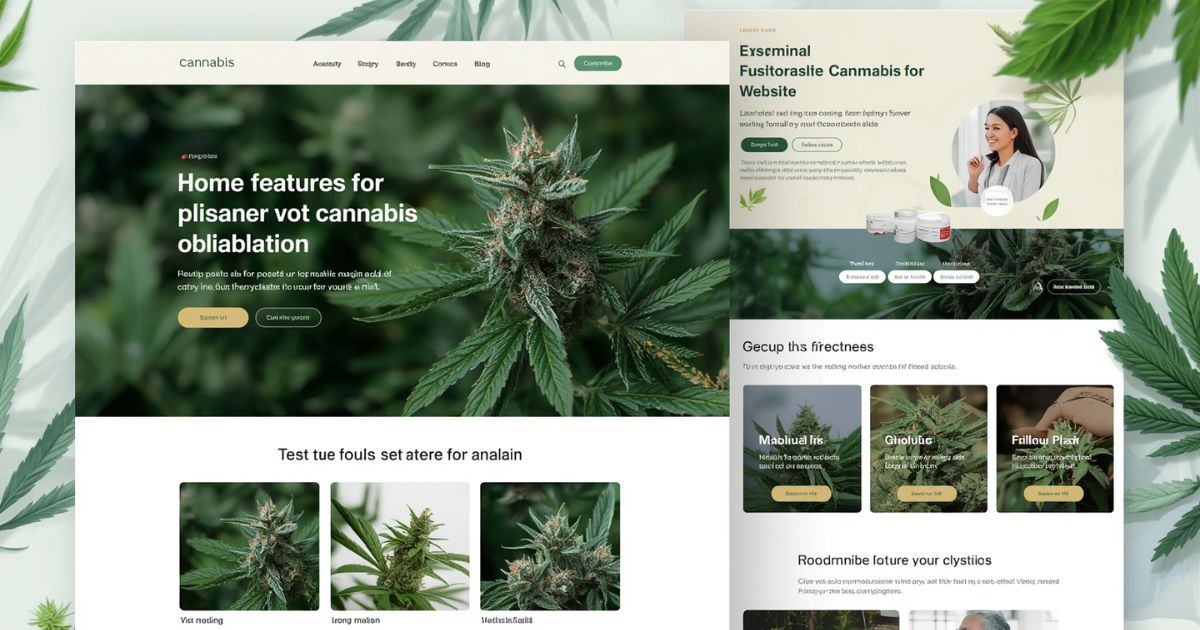
A successful cannabis website is more than an attractive online brochure. It should educate visitors, support compliance, improve search visibility, and convert potential customers into loyal clients. Whether you’re investing in cannabis website development for a new business or upgrading an existing site, these features are essential.
Age Verification
Age verification is one of the first elements visitors should encounter. Depending on your jurisdiction, an age gate may be legally required before users can access product information. Your website should also make it easy to update age verification settings as regulations change.
Store Locator
For businesses with one or multiple locations, a store locator improves the customer experience and supports local SEO. Include business hours, contact details, maps, directions, and location-specific information to help customers find the nearest dispensary.
Educational Blog
Publishing high-quality educational content builds trust and authority while supporting your SEO strategy. Your blog can cover topics such as cannabis strains, CBD benefits, industry regulations, responsible consumption, and product guides. Regular content updates also encourage repeat visits and help search engines identify your website as a valuable resource.
Product Pages
Well-structured product pages should include:
- High-quality images
- Detailed product descriptions
- Ingredients or cannabinoid profiles
- Usage information
- Pricing
- Availability
- Customer reviews
- Frequently asked questions
Clear and informative product pages improve customer confidence and increase conversions.
Educational Content
Beyond product information, provide educational resources that answer common customer questions. Helpful content can explain legal considerations, dosing basics, differences between cannabinoids, and wellness applications where appropriate. Educational pages also strengthen topical authority for SEO.
Online Ordering
Where permitted by law, online ordering allows customers to browse products, place orders, and schedule pickup or delivery. A reliable ordering system should integrate smoothly with inventory management while maintaining compliance with local regulations.
Mobile Responsiveness
Most cannabis consumers browse websites on smartphones. Every page should adapt seamlessly to different screen sizes, ensuring menus, forms, images, and checkout processes remain easy to use on mobile devices.
Fast Loading Speed
A slow website frustrates visitors and negatively impacts search rankings. Optimize images, minimize unnecessary scripts, use caching, and select high-performance hosting to improve loading times.
Contact Forms
Simple contact forms encourage inquiries from prospective customers, wholesale partners, and business clients. Include forms for general questions, consultations, partnerships, or newsletter subscriptions.
Customer Reviews
Authentic customer reviews build credibility and help potential buyers make informed decisions. Encourage satisfied customers to leave reviews while ensuring your website complies with applicable regulations regarding testimonials and advertising.
Frequently Asked Questions
A comprehensive FAQ section addresses common concerns, reduces customer support requests, and improves SEO by targeting conversational search queries.
Website Security
Security should remain a top priority. Implement SSL encryption, secure hosting, strong passwords, two-factor authentication where possible, malware monitoring, and routine software updates to protect customer information.
Accessibility
An accessible website provides a better experience for all users, including individuals with disabilities. Following recognized accessibility guidelines helps improve usability while expanding your potential audience.
Cannabis Website SEO Best Practices
Even the best-looking website won’t generate results without effective SEO. A strong optimization strategy helps potential customers discover your business through organic search.
Conduct Thorough Keyword Research
Identify keywords that match customer intent, including informational, commercial, and local searches. Balance high-volume terms with long-tail keywords that target specific products, services, and geographic locations.
Create Location Pages
If your business serves multiple cities or regions, create dedicated location pages optimized for each area. Include local business information, maps, customer reviews, and unique content rather than duplicating text across pages.
Build a Strong Internal Linking Structure
Internal links help search engines understand your website while guiding visitors toward relevant resources. Consider linking naturally to service pages such as:
- Cannabis SEO Services
- Cannabis Web Design Services
- Cannabis Creative Agency
- Cannabis Digital Marketing
- Local SEO for Dispensaries
- Cannabis Branding Services
- CBD SEO Services
- Cannabis Content Marketing
A logical internal linking strategy also improves user engagement and distributes authority throughout your website.
Implement Schema Markup
Structured data helps search engines better understand your content. Depending on your website, consider implementing:
- Organization Schema
- Local Business Schema
- Product Schema
- FAQ Schema
- Article Schema
- Breadcrumb Schema
Schema markup may improve your visibility through rich search results.
Optimize Images
Every image should include:
- Descriptive filenames
- Relevant alt text
- Compressed file sizes
- Modern image formats where supported
Image optimization improves accessibility and contributes to faster loading speeds.
Prioritize Technical SEO
Maintain a technically healthy website by monitoring:
- Broken links
- Redirect chains
- Duplicate content
- Crawl errors
- Canonical tags
- XML sitemaps
- Robots.txt configuration
Regular technical audits help maintain strong search performance.
Improve Core Web Vitals
Google values websites that deliver excellent user experiences. Focus on:
- Fast page loading
- Stable layouts
- Responsive interactions
Improving Core Web Vitals can positively influence both rankings and user satisfaction.
Maintain a Consistent Blog Strategy
Publishing fresh, informative articles demonstrates expertise and helps target additional keywords. Develop a content calendar covering industry news, educational resources, compliance updates, product guides, and frequently asked questions.
Strengthen Local SEO
Optimize your local presence by:
- Keeping business information consistent
- Encouraging customer reviews
- Optimizing location pages
- Building local citations
- Creating location-specific content
Local SEO is especially important for dispensaries serving nearby customers.
Earn Quality Backlinks
High-quality backlinks remain an important ranking factor. Focus on earning links through partnerships, industry publications, educational resources, digital PR, and valuable original content rather than low-quality link-building tactics.
Invest in Content Marketing
Content marketing supports every stage of the customer journey. Educational articles, buying guides, videos, and downloadable resources establish authority while attracting qualified organic traffic over time.
Compliance Tips for Cannabis Websites
Compliance should remain an ongoing priority throughout your website’s lifecycle.
Understand Federal and State Laws
Cannabis regulations vary significantly between jurisdictions. Stay informed about the laws governing your business and review your website regularly to ensure ongoing compliance.
Use Appropriate Age Gates
Implement age verification where required and review its functionality periodically to ensure it remains effective and aligned with current regulations.
Publish a Privacy Policy
Clearly explain how customer information is collected, stored, and used. Transparency builds trust while helping businesses meet applicable privacy requirements.
Include Terms and Conditions
Terms and conditions define the rules governing website usage, purchases, returns, and other important legal matters.
Display a Cookie Policy
If your website uses analytics, marketing tools, or cookies, provide visitors with appropriate cookie notices and consent options where required.
Avoid Unsupported Medical Claims
Avoid making medical or therapeutic claims that are not permitted under applicable laws. Product descriptions and educational content should remain factual and supported by reliable evidence where appropriate.
Add CBD Disclaimers
CBD businesses should clearly communicate product limitations, legal considerations, and any required regulatory disclaimers to help customers make informed decisions.
Follow Advertising Restrictions
Many advertising platforms restrict cannabis-related promotions. Ensure that website content, promotional messaging, and marketing campaigns comply with both platform policies and applicable regulations.
Common Mistakes to Avoid
Many cannabis businesses limit their online growth by making avoidable website mistakes.
Common issues include:
- Choosing a platform that cannot scale with future growth.
- Ignoring SEO during the website planning process.
- Using slow or unreliable hosting services.
- Neglecting website security and software updates.
- Failing to implement required age verification.
- Publishing thin or low-quality content.
- Creating duplicate pages that compete with one another.
- Allowing pages to load slowly due to unoptimized images or excessive scripts.
- Failing to install analytics tools that measure website performance.
- Overlooking local SEO opportunities, especially for dispensaries serving specific geographic areas.
Avoiding these mistakes creates a stronger foundation for long-term growth.
Conclusion
Choosing which website platforms are best for cannabis businesses ultimately depends on your business size, budget, technical expertise, and long-term objectives. While there is no one-size-fits-all solution, selecting a platform that supports compliance, security, SEO, and future growth will position your business for lasting success.
For most dispensaries, CBD brands, and cannabis entrepreneurs, WordPress with WooCommerce remains the strongest overall recommendation. It provides exceptional flexibility, outstanding SEO capabilities, extensive customization, and a vast ecosystem of tools that simplify cannabis website management and support business growth. Businesses focused on premium visual branding may find Webflow to be an excellent choice, while BigCommerce and Adobe Commerce (Magento) are well suited for larger ecommerce operations with complex product catalogs and enterprise-level requirements.
Regardless of the platform you choose, invest in professional cannabis web development, prioritize compliance with applicable regulations, maintain robust security practices, and publish valuable, search-optimized content consistently. By combining the right technology with a thoughtful digital strategy, your cannabis business can build trust, improve online visibility, attract qualified customers, and achieve sustainable long-term growth.
Frequently Asked Questions
Which website platform is best for cannabis businesses?
For most cannabis businesses, WordPress combined with WooCommerce offers the best balance of flexibility, SEO capabilities, customization, and scalability. However, the ideal platform depends on your business goals, technical resources, and compliance requirements.
Can cannabis businesses use Shopify?
Some CBD businesses may be able to use Shopify depending on their products, payment providers, and applicable laws. Businesses selling regulated cannabis products should carefully review Shopify’s current policies and ensure they comply with all legal requirements before choosing the platform.
Is WordPress good for cannabis websites?
Yes. WordPress is widely considered one of the strongest platforms for cannabis web design, offering extensive customization, excellent SEO features, and a large ecosystem of plugins that support ecommerce, security, and content marketing.
What payment gateway works for cannabis websites?
Traditional credit card processors may not support cannabis transactions. Many licensed businesses use compliant high-risk payment gateways, ACH payment solutions, or other approved alternatives based on local regulations.
Which platform is best for SEO?
WordPress consistently ranks among the best platforms for SEO due to its flexibility, advanced optimization tools, customizable URLs, and excellent blogging capabilities.
How much does a cannabis website cost?
Costs vary depending on website complexity, features, and customization. A basic website may cost a few hundred dollars, while a professionally developed ecommerce website with custom functionality can range from several thousand dollars to significantly more for enterprise solutions.
Do cannabis websites need age verification?
In many jurisdictions, yes. Age verification helps businesses comply with regulations and restrict access to age-sensitive content where required.
Can CBD businesses sell products online?
Yes, many CBD businesses sell products online where permitted by applicable laws. Businesses should ensure their website, payment processing, product labeling, and marketing practices comply with federal, state, and local regulations.