

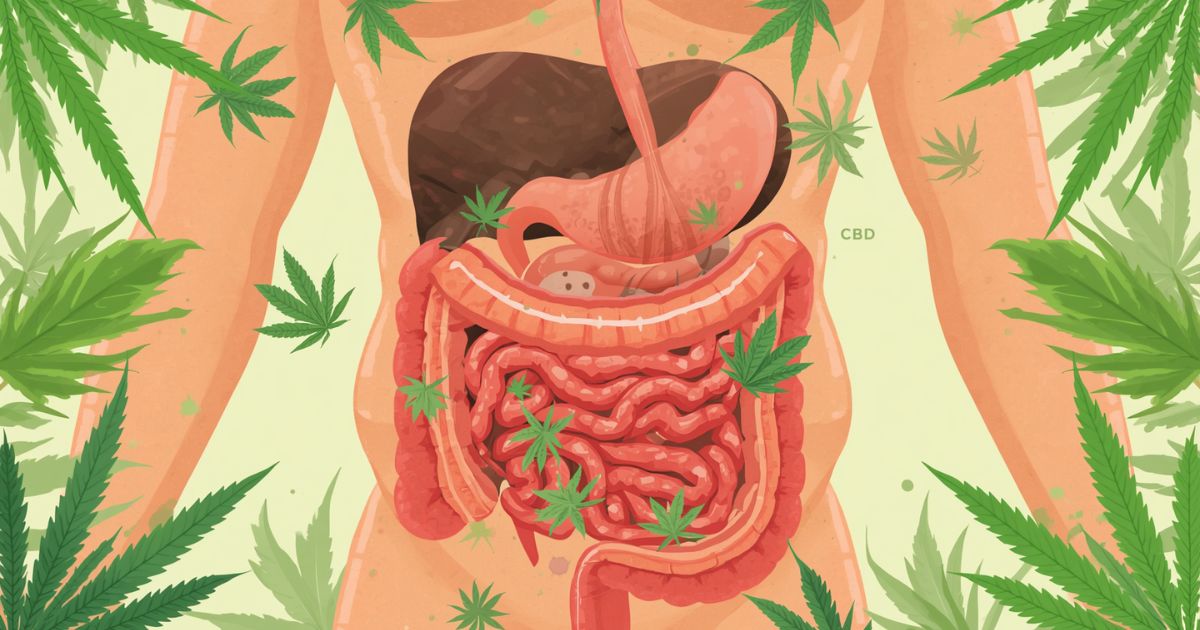
“Can CBD actually improve gut health, or is it just hype?”
This is one of the most frequently asked questions as interest in natural wellness solutions continues to grow. Over the past few years, CBD (cannabidiol) has moved from a niche supplement into mainstream discussions about digestion, inflammation, and overall gut function.
People searching for solutions to issues like bloating, stomach pain, constipation, and irritable bowel symptoms are increasingly turning to terms like CBD oil for digestion, CBD for digestive issues, and CBD gut health. But the key question remains—does it actually work?
At the center of this conversation is the connection between CBD and the body’s regulatory network known as the endocannabinoid system (ECS). This system plays a role in maintaining balance in digestion, immune response, and inflammation—three core pillars of gut health.
Early research suggests CBD may interact with this system in ways that influence gut comfort, inflammation levels, and even microbiome balance. However, science in 2026 still paints a nuanced picture: promising mechanisms exist, but human clinical evidence is still developing.
In this article, we’ll break down what the latest research says, how CBD interacts with digestion, and whether it may truly support gut health—or if the hype is ahead of the science.
If you want to scale your online dispensary, our Cannabis E-Commerce SEO Service can help improve visibility and drive targeted traffic.
What Is CBD? (Quick Science-Based Overview)
CBD, short for cannabidiol, is a naturally occurring compound found in the cannabis plant. Unlike THC, it is non-psychoactive, meaning it does not produce a “high.”
Instead, CBD interacts with several regulatory systems in the body, most importantly:
- The endocannabinoid system
- The immune system
- The nervous system
These interactions are why CBD is being studied for a wide range of wellness applications, including stress, sleep, inflammation, and digestion.
When people refer to CBD and digestive system support, they are usually talking about how CBD may influence gut-related processes such as motility (movement of food through the intestines), inflammation control, and pain signaling.
In simple terms, CBD does not directly “fix” digestion like a medication might. Instead, it may help the body maintain balance—especially in systems that influence gut comfort and function.
This is why terms like CBD oil digestion and CBD oil for digestive issues have become popular in wellness searches.
If you’re struggling to rank in competitive cannabis markets, partnering with a professional cannabis SEO agency can make a significant difference.
How Gut Health Actually Works (Simple Explanation)
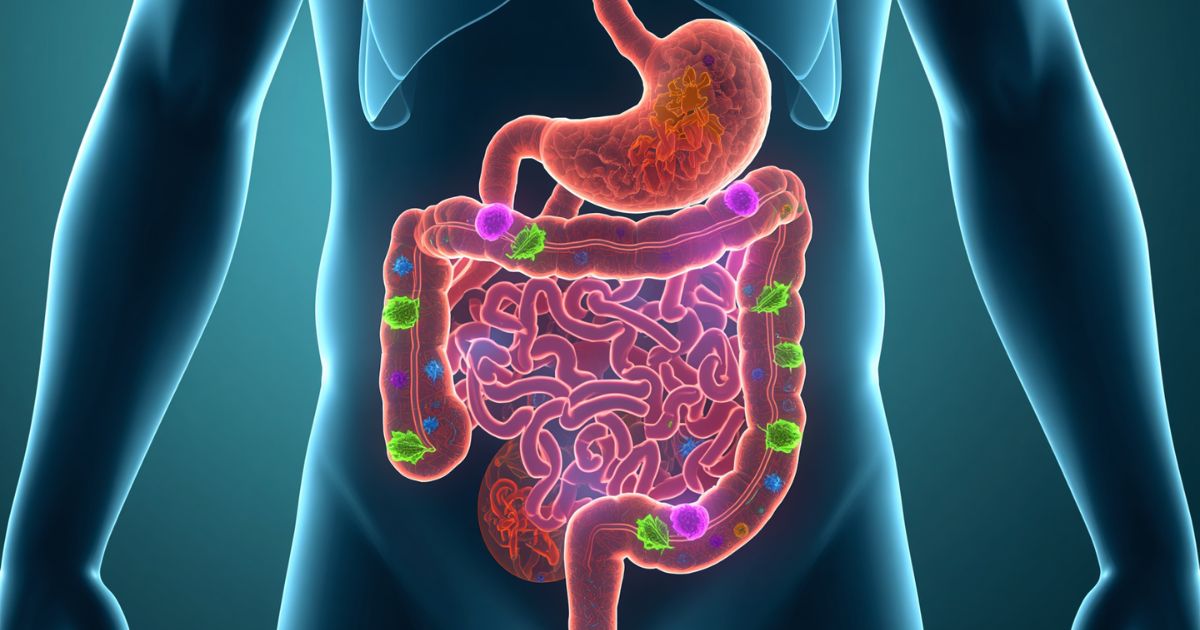
To understand whether CBD may help, it’s important to understand how gut health works.
Your gut is home to trillions of microorganisms collectively known as the gut microbiome. These bacteria, fungi, and microbes play a critical role in:
- Digesting food
- Producing nutrients
- Supporting immunity
- Regulating inflammation
A healthy gut depends on microbiome balance, where beneficial bacteria outnumber harmful ones.
Another key factor is the gut lining, also known as the intestinal barrier. This barrier controls what gets absorbed into the bloodstream and what stays inside the digestive tract.
When this system is disrupted, it can lead to:
- Bloating
- Gas
- Constipation or diarrhea
- Abdominal pain
- Inflammatory conditions such as IBS and IBD
Conditions like Irritable Bowel Syndrome and Inflammatory Bowel Disease are commonly associated with these disruptions.
This is where interest in CBD for gut health and CBD for digestive issues comes from—especially its potential role in inflammation and gut regulation.
The Endocannabinoid System (ECS) and Gut Connection

The body’s internal balancing system, known as the endocannabinoid system (ECS), is central to understanding how CBD may influence digestion.
The ECS is a complex cell-signaling network that helps regulate:
- Mood
- Pain perception
- Immune response
- Appetite
- Digestive function
Endocannabinoid System
Within the gut, the ECS plays a direct role in controlling:
CB1 Receptors
- Found in the nervous system and gut
- Influence gut motility (how fast food moves through the intestines)
- Can affect constipation or diarrhea patterns
CB2 Receptors
- Found mainly in immune cells
- Help regulate inflammation in the gut
Together, these receptors influence:
- Digestion speed
- Gut inflammation levels
- Intestinal permeability (gut barrier integrity)
This is why researchers often refer to the endocannabinoid system and gut health as a key area of medical interest.
CBD is believed to interact indirectly with this system, potentially supporting balance rather than forcing a direct physiological change.
What the Latest Science (2024–2026) Says About CBD and Gut Health
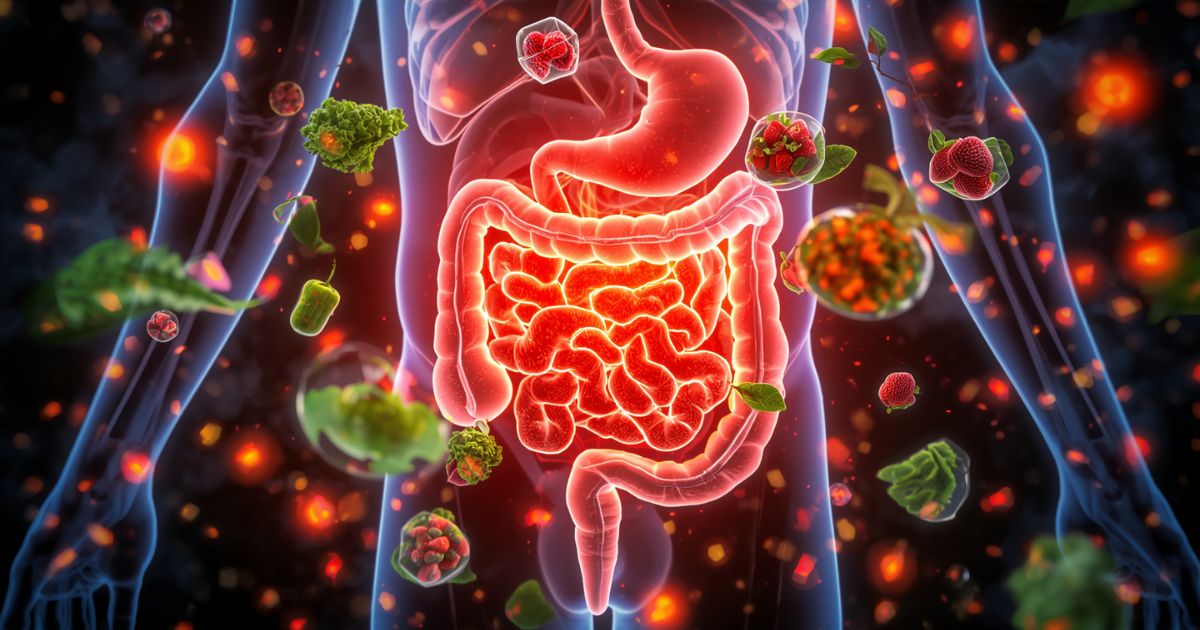
Research on CBD and digestion is still evolving. While large-scale human studies are limited, several mechanisms have been identified through preclinical and early clinical research.
1 Anti-inflammatory Effects in the Gut
One of the most studied potential benefits of CBD is its anti-inflammatory activity.
Inflammation plays a major role in many digestive disorders, including IBS and IBD. Early research suggests CBD may:
- Reduce oxidative stress in intestinal tissues
- Downregulate inflammatory pathways
- Support immune balance in the gut
This is why CBD is often discussed in relation to CBD for inflammation in gut and CBD gut health support.
Some studies suggest CBD may influence inflammatory signaling pathways such as cytokine production, potentially reducing excessive immune responses in the digestive tract.
2 Gut Barrier Protection
Another important area of research is the intestinal lining.
The gut barrier prevents harmful substances from entering the bloodstream. When it becomes compromised, sometimes referred to as “leaky gut,” inflammation and digestive discomfort may occur.
Preliminary findings suggest CBD may:
- Support intestinal lining integrity
- Reduce permeability in the gut barrier
- Help maintain epithelial cell function
This has led to increased interest in topics like CBD dosage for leaky gut, although no standardized medical dosing exists yet.
3 Effects on Gut Microbiome
The gut microbiome is a key factor in digestive health.
Early animal studies suggest CBD may influence microbial diversity by:
- Supporting beneficial bacteria growth
- Reducing harmful microbial overgrowth
- Modulating gut environment balance
This area is still in its early stages, but it has fueled interest in CBD gut microbiome research and how cannabinoids might influence microbial ecosystems.
However, human data is still limited, so conclusions remain cautious.
4 IBS and Digestive Symptoms
One of the most common reasons people explore CBD is symptom relief.
For conditions like IBS, early evidence suggests CBD may help with:
- Bloating reduction
- Abdominal pain relief
- Nausea management
- Gut motility regulation
Searches like CBD IBS symptoms, does CBD help with digestion, and CBD for stomach issues reflect growing consumer interest.
However, clinical trials remain limited, and results vary widely depending on dosage, product type, and individual response.
How CBD May Work in the Gut (Mechanisms Explained)
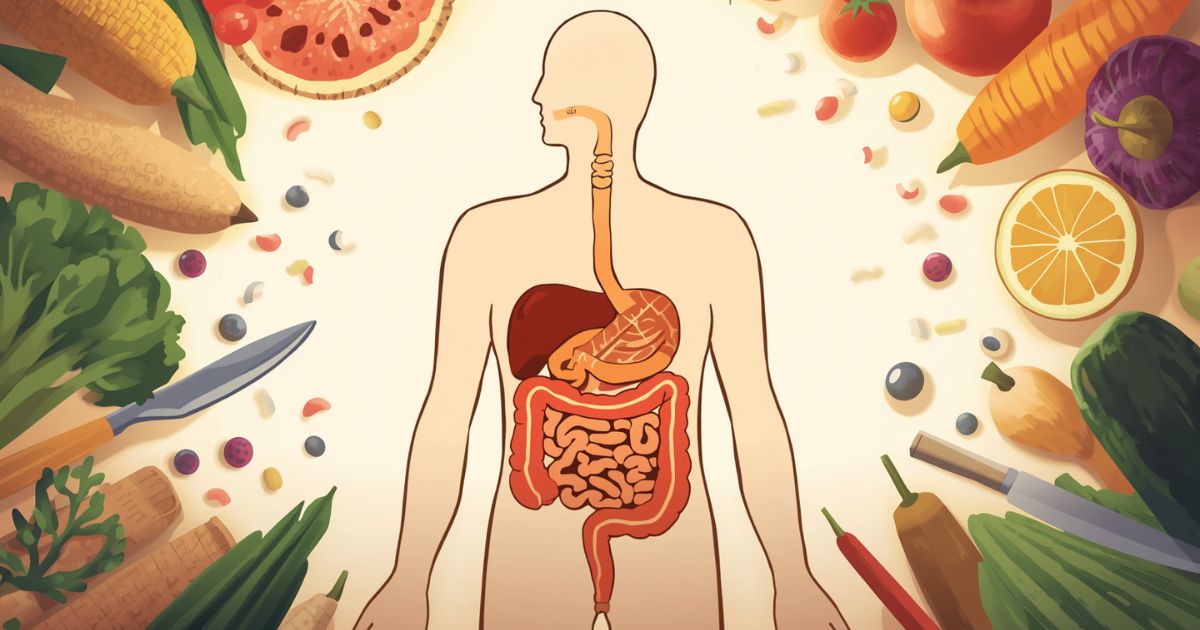
CBD does not act like traditional digestive medications. Instead, it may influence several biological pathways.
1 Reducing Inflammation
CBD may interact with inflammatory signaling pathways such as NF-κB, which plays a role in immune system activation.
By modulating this pathway, CBD may help maintain a balanced immune response in the gut.
2 Oxidative Stress Reduction
Oxidative stress occurs when harmful molecules damage cells in the digestive tract.
CBD has antioxidant properties that may help reduce this stress and protect gut tissues.
3 Gut–Brain Axis Regulation
The gut and brain are deeply connected through the gut–brain axis.
Stress, anxiety, and emotional health can directly impact digestion. CBD may help regulate stress responses, which in turn may support digestive comfort.
This is why CBD oil for digestion is often discussed alongside stress relief.
4 Microbiome Interaction
Although still early in research, CBD may influence microbial balance in the gut.
This could potentially support a healthier digestive environment, but more human studies are needed.
Potential Benefits of CBD for Gut Health
Based on current evidence, CBD may offer several potential benefits:
- May support digestion comfort
- May reduce gut inflammation
- May help maintain intestinal barrier function
- May support stress-related digestive issues
- May assist in managing IBS-related symptoms
It is important to emphasize that these effects are not guaranteed and vary significantly between individuals.
Limitations of Current Research
Despite growing interest, scientific limitations remain.
Most current research on CBD and digestion is:
- Conducted on animals
- Based on small sample sizes
- Lacking long-term human trials
Additionally:
- There is no standardized CBD for digestion dosage
- Product quality varies widely
- Individual responses differ significantly
Because of this, CBD should be considered a promising but not fully proven option for gut health support.
Possible Side Effects and Risks
While generally well tolerated, CBD may cause side effects in some individuals:
- Dry mouth
- Fatigue
- Appetite changes
- Digestive discomfort in rare cases
It may also interact with certain medications, especially those processed by the liver.
Anyone considering CBD for digestive concerns should approach it cautiously and consult a healthcare professional if needed.
Who Might Consider CBD for Gut Health?
CBD may be considered by individuals experiencing:
- IBS-related symptoms
- Stress-linked digestive issues
- Inflammatory gut conditions (under supervision)
- General digestive discomfort such as bloating or cramps
People searching for CBD for stomach pain or CBD gummies for stomach issues are often looking for symptom support rather than medical treatment.
How to Use CBD for Gut Health (General Info Section)
CBD is available in several forms:
- CBD oils/tinctures
- Capsules
- Edibles (including gummies)
Each method has different absorption rates and effects.
Full-Spectrum vs Isolate
- Full-spectrum CBD contains multiple cannabinoids and plant compounds
- CBD isolate contains pure CBD only
Consistency is more important than form when exploring digestive effects.
There is currently no universally accepted CBD oil for constipation or digestion dosing guideline, so users typically start low and adjust gradually.
Expert Perspective / Scientific Consensus (2026 View)
As of 2026, the scientific consensus is cautious but optimistic.
CBD shows:
- Strong potential in inflammation modulation
- Meaningful interaction with the ECS system
- Early evidence of gut-related benefits
However:
- Human clinical evidence is still limited
- Long-term effects are not fully understood
- Optimal dosing is not established
Overall, CBD is viewed as a supportive wellness compound rather than a proven treatment for digestive diseases.
Conclusion
So, is CBD good for gut health?
The latest science suggests that CBD holds real biological potential, especially through its interaction with the endocannabinoid system and its anti-inflammatory properties.
However, research is still developing. While CBD may support digestion, gut comfort, and inflammation balance, it is not yet proven as a definitive treatment for gut disorders.
FAQs:
Q1: Is CBD good for gut health?
CBD shows promising potential for gut health, especially in inflammation and ECS regulation, but evidence is not yet conclusive.
Q2: Can CBD help IBS symptoms?
It may help reduce symptoms like pain, bloating, and discomfort in some individuals, but results vary.
Q3: Does CBD improve gut bacteria?
Early research suggests possible effects on the gut microbiome, but human evidence is still limited.
Q4: Is CBD safe for digestion?
Generally, CBD is well tolerated, but some users may experience mild side effects or medication interactions.
Q5: How long does CBD take to work for gut issues?
Effects vary—some notice changes within days, while others may take weeks of consistent use.